
Mary had a little lamb – And The Moral
Mary Had a Little Lamb – And The Moral
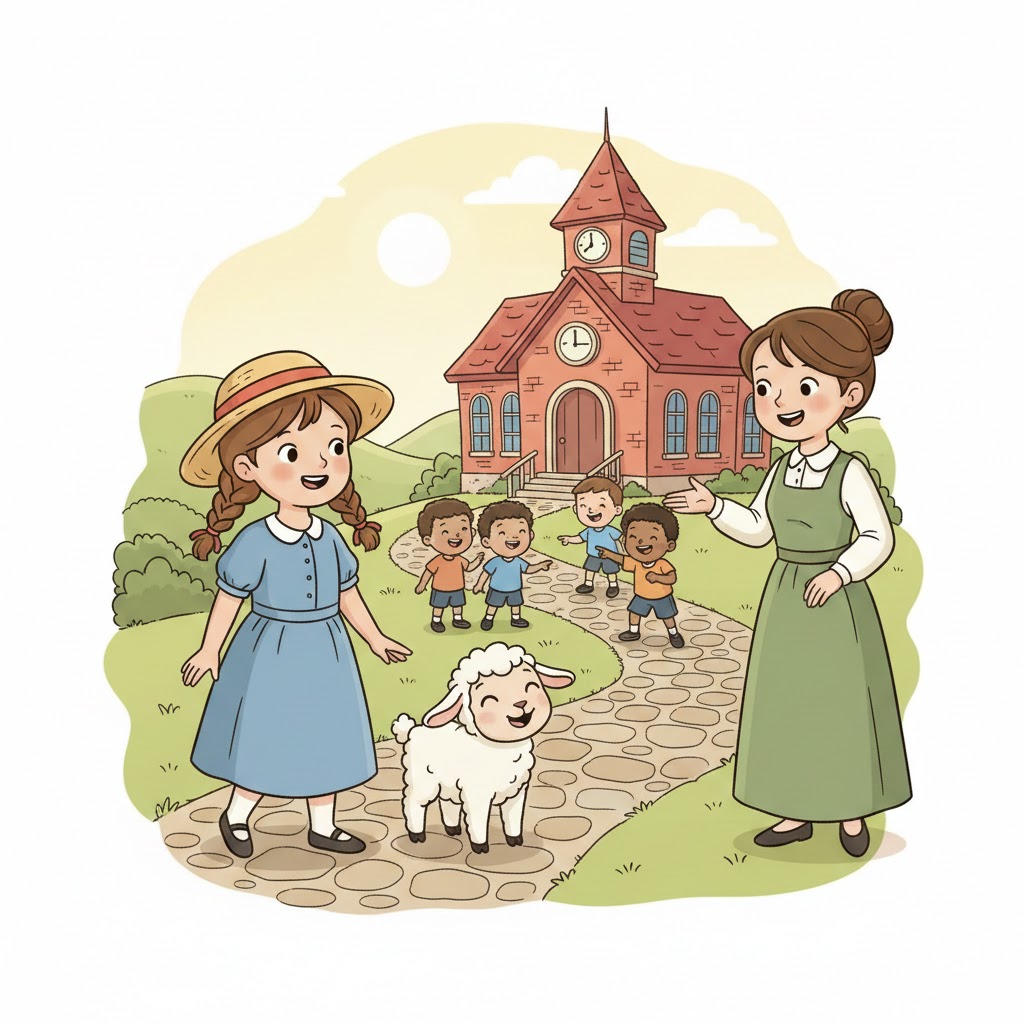
Mary had a little lamb,
Little lamb, little lamb,
Mary had a little lamb
Its fleece was white as snow.
And everywhere that Mary went,
Mary went, Mary went,
Everywhere that Mary went
The lamb was sure to go.
It followed her to school one day,
School one day, school one day,
It followed her to school one day
Which was against the rules.
It made the children laugh and play,
Laugh and play, laugh and play,
It made the children laugh and play,
To see a lamb at school.
“Why does the lamb love Mary so?
Mary so, Mary so?
Why does the lamb love Mary so?”
The eager children smile.
“Mary loves the lamb, you know,
Lamb, you know, lamb, you know,
Mary loves the lamb, you know,”
The teacher did reply.
I can still remember that I was wearing a white frock and performing at a Christmas function in my school. It was on this rhyme. Gone are those days. And I miss them a lot. But what I believe I can do now is to share the lessons of this rhyme with Ani and help and guide him to become a better person in life. Thankfully, I found a history of this rhyme, and again, thanks to Google Baba for this.
The rhyme comes from a true incident involving a young girl named Mary Sawyer in the early 1800s. She actually had a lamb that followed her everywhere, including to school. The school the lamb followed her to was a one-room schoolhouse in Stow. The lamb’s appearance in class amused the children, just like in the poem. The lines of the rhyme were first written by Sarah Josepha Hale after hearing the story. She later published the rhyme in 1830. The rhyme received massive popularity because of Thomas Edison. He used it for testing the phonograph. It was his new invention. What are the lessons of this rhyme? Yes, I already shared with Ani, and now let me share with you all 🙂 🙂
Lesson 1. Love Creates Deep Friendship
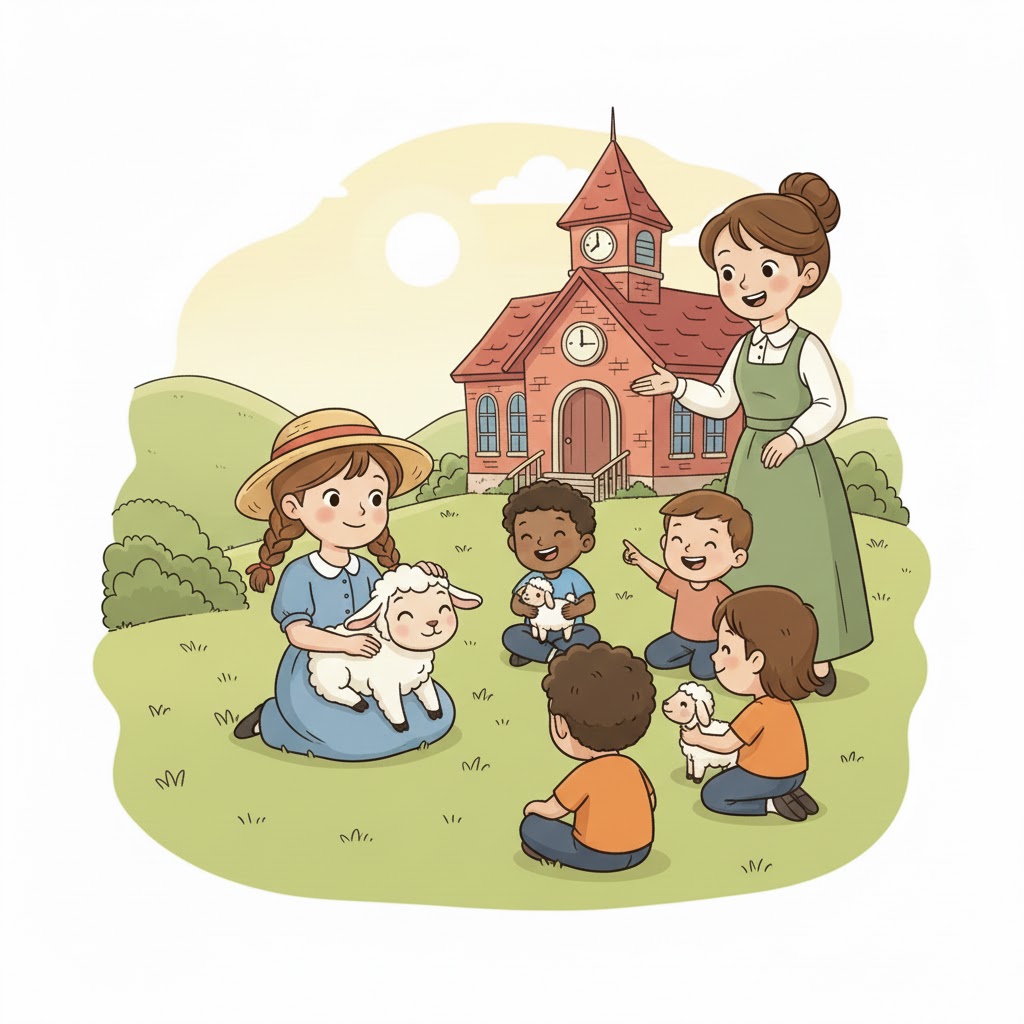
The lamb followed Mary because it felt loved and safe with her. When we show our love and care to our friends or pets, they trust us. They want to stay close to us. Love grows friendship. Spreading the essence of love helps you get loved and liked by your friends. They will love spending time with you and mingling.
Lesson 2. Gentle Kindness Wins Hearts
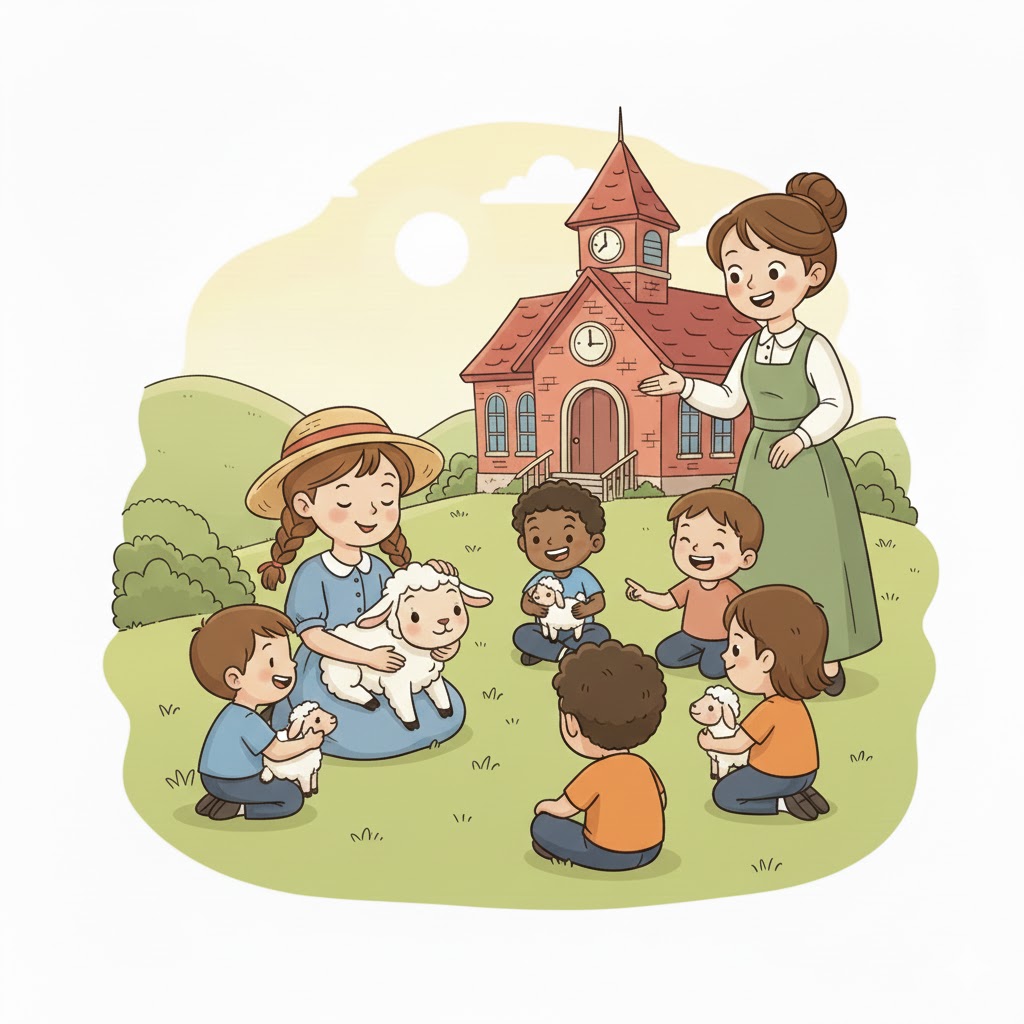
Mary treated the lamb softly, with warmth, not force. Be kind and gentle to others. When you remain sweet, soft, and caring in your actions, people feel happy around you. Making others happy makes us happy.
Lesson 3. Rules Are There to Keep Things Fair & Safe
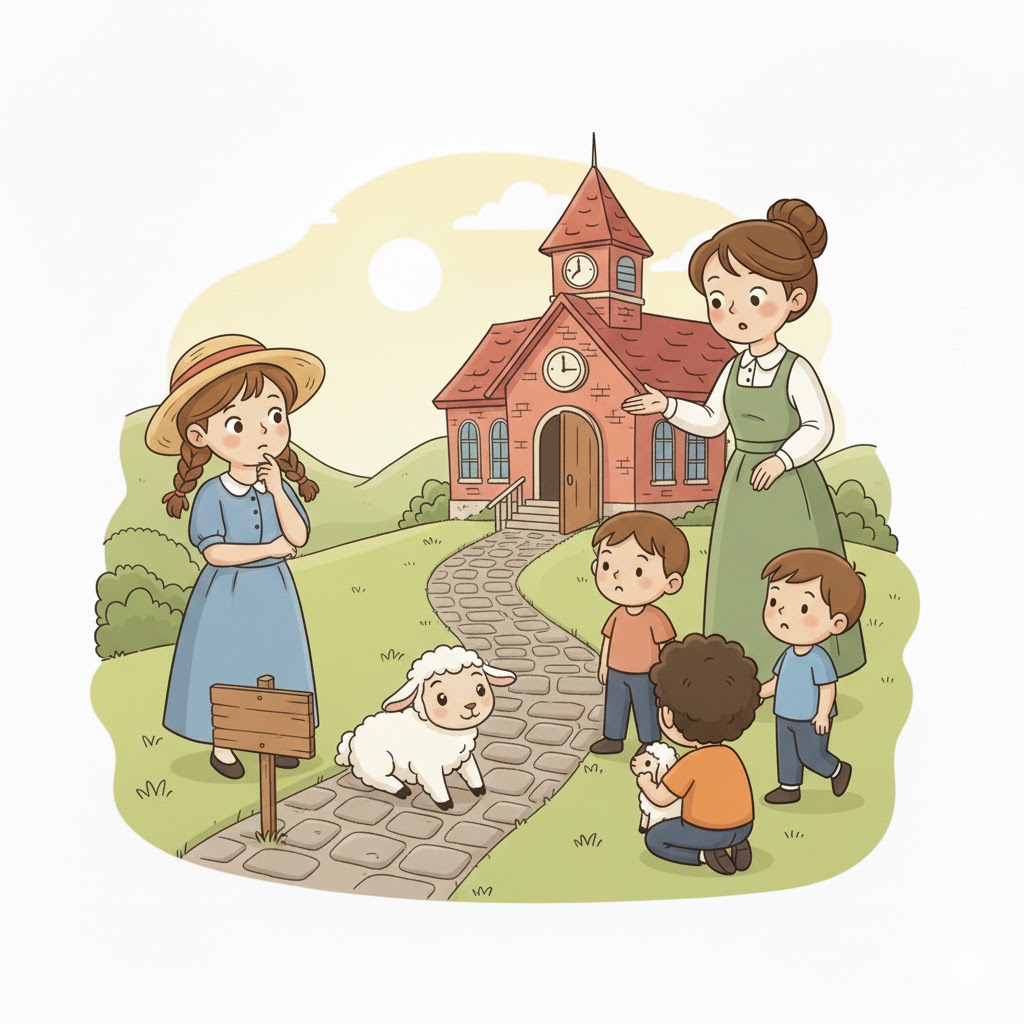
The lamb coming to school was against the rules. It indicates that rules and regulations exist for a reason. We can laugh and enjoy surprises, but we also learn to follow rules so everyone feels safe and treated equally.
Lesson 4. Joy Can Come from Simple Moments
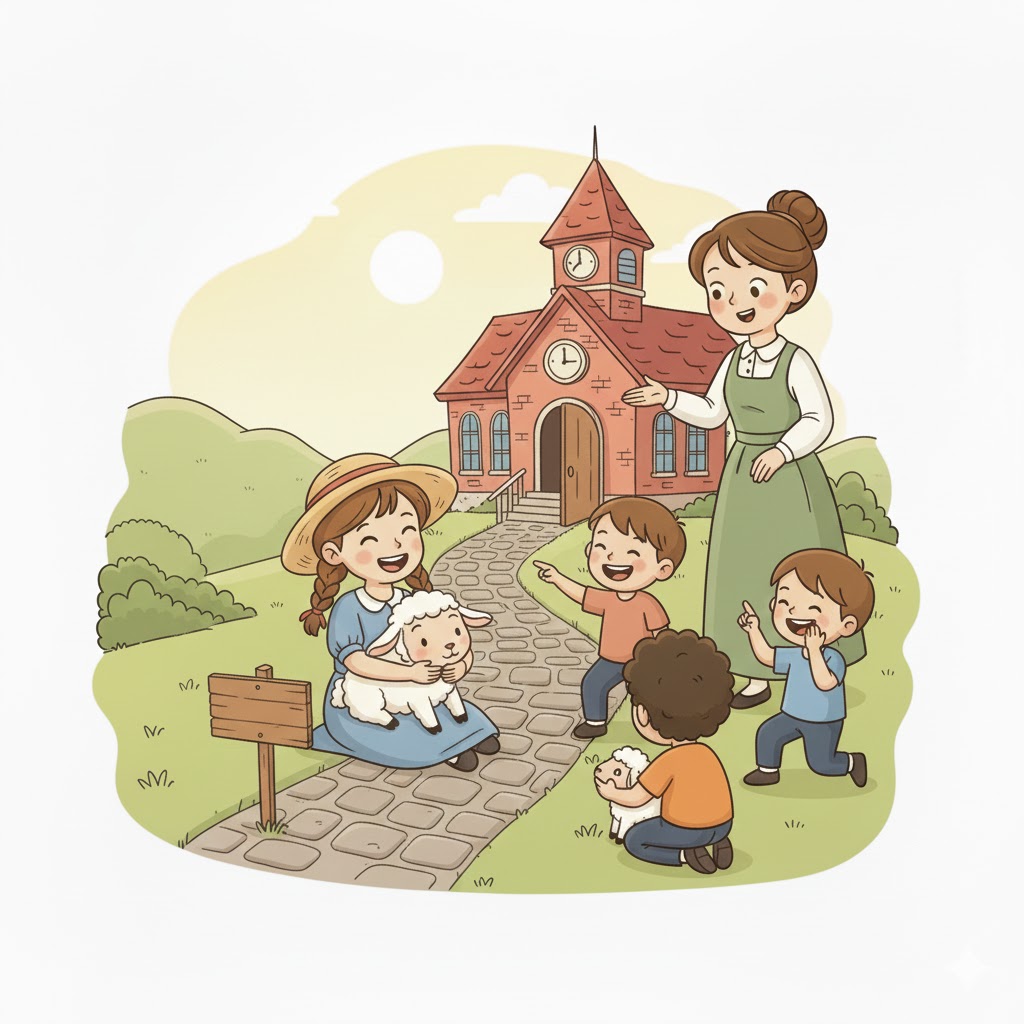
A small lamb made children laugh, play, and smile. You don’t need big things to feel happy. Small, simple moments like laughter and play can fill our day with joy.
Lesson 5. When You Give Love, You Receive Love
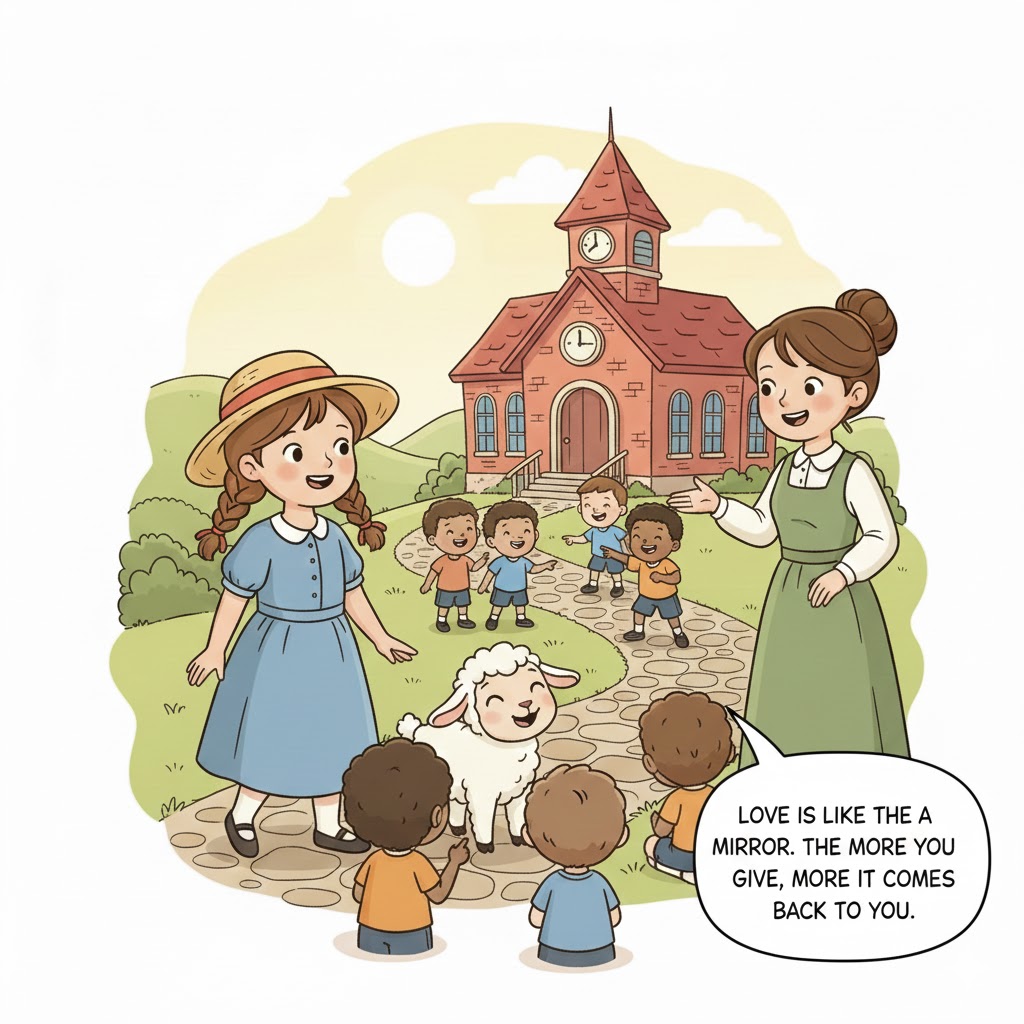
The teacher explains that the lamb loves Mary because Mary loves the lamb too. Love is like a mirror. The more you give it, the more it comes back to you. When you love someone truly, they care for you too. Love is magical.
At the end, I would like to say that sharing, caring, and spreading love can make this world a better place to live. Irrespective of gender or category of creatures…. Give love and get loved, make others happy, be happy, keep sharing, and enjoy the power of sharing. The moment we, the elders, do that in our lives, our kids imitate us and follow this principle of sharing and caring.
This blog post is part of ‘Blogaberry Dazzle’
hosted by Cindy D’Silva and Noor Anand Chawla.


This is one of the few nursery rhymes that I too knew completely.
I like your beautiful phrase – Love is like a mirror.The more you give it , the more comes back to you.
I never really stopped to think about the deeper meaning behind this nursery rhyme even though I sang it a million times as a kid. It is really sweet to look at the bond between Mary and the lamb as a lesson in pure loyalty rather than just a simple song. Reading this brought back memories of school, but I appreciate the new perspective on how kindness attracts love back. It is nice to see a breakdown of something so simple that actually holds such a strong moral value.
You bring out such thoughtful life lessons from simple rhymes. There is no doubt that love is a give-and-take relationship. But, sadly, many in this world know just to take and not give in return.
I enjoy reading the beautiful interpretations of the nursery rhymes that you come up with. I, too, believe spreading kindness and love is the best way to live.
Yet another nursery rhyme we grew up learning and repeating, interpreted by you. Good to know the meaning.
This exactly says how love begets love! I also miss those carefree school days, life was so much simpler and fun. We were all little lambs.
It’s so sweet how a childhood rhyme can remind us that kindness and simple love matter most. Thanks for the reminder that small gestures often build the deepest bonds.
Wow what a lovely explanation about the poem. We used to read this poem but never thought this way. So good to teach our kids the explanation as well. Lovely read.
This was a sweet reminder of how simple stories can still hold real lessons. The way the moral is unpacked feels clear and thoughtful.
Every nursery rhyme has a deeper meaning only if we are willing to give it a thought. Thanks for making us think deeper into what seemed insignificant for so long.
The more I read your blogs the more I realize how people are forgetting basic manners nowadays and kids as well as adults should read this!
I am now prepared to read your blog expecting some profound aspects brought out from the rhymes that we used to chant mindlessly. This time too I came away enthralled 🙂
Im loving this rhyme series of yours. One is it is nostalgic and two about the lessons it conveys.
Your interpretation made a familiar nursery rhyme feel meaningful again by showing how simple stories teach us about love, kindness, joy and respect for rules, and your personal memories added warmth that really resonated with me.
This brought back such tender school-day nostalgia. I love how you move from childhood memory to passing values forward. Turning a simple rhyme into a lesson for Ani feels warm, intentional, and quietly beautiful.
Very sweet.