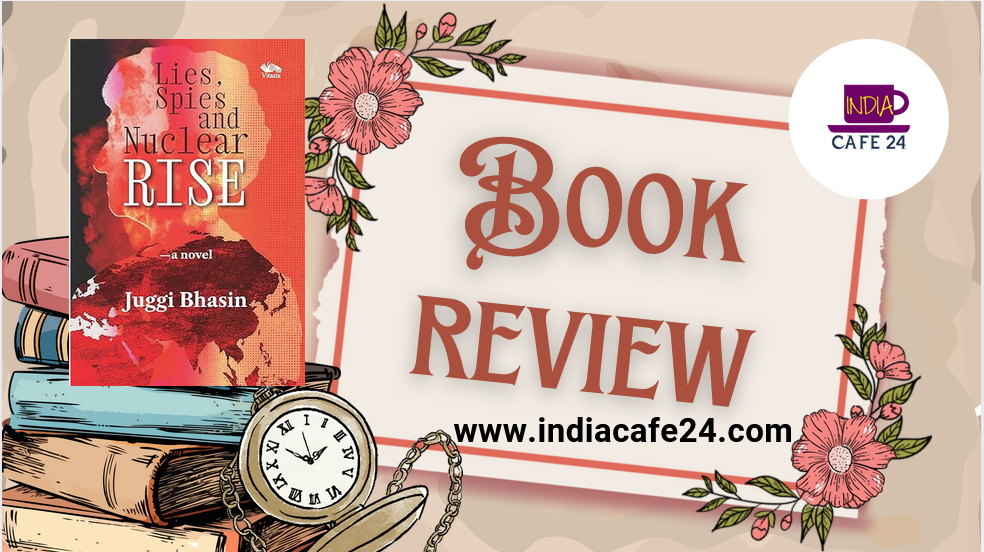
Lies, Spies, and Nuclear Rise is a riveting geopolitical thriller that blends historical reality, clandestine diplomacy, nuclear brinkmanship, and espionage into a compelling and educational narrative. This book by Juggi Bhasin captures a critical turning point in South Asian history.
It talks about the birth of nuclear India and explores the unseen dynamics that shaped a nation’s strategic rise. With political power plays, tension-laced dialogues, and morally layered characters, this story transcends mere fiction, serving as a portal into the corridors of global diplomacy.
Premise– Lies, Spies, and Nuclear Rise
Basically, the book narrates the fragile balance between truth and deception that guides international relations. The premise is based on the fact that every major national leap is shaped not just in laboratories or war rooms. In many cases, it is also through covert negotiations, intelligence networks, and diplomatic tricks. It talks about the rise of India as a nuclear power dogged by global suspicion, media-crafted stories, and pressures from allies. The novel mentions the emotional cost of espionage and ambition in the lives of people serving the nation.
Plot – Lies, Spies, and Nuclear Rise
The narrative begins in the tumultuous backdrop of mid-1990s South Asia, where India is walking the razor’s edge between national security interests and global expectations. The reader is taken through underground intelligence operations, political tensions with neighbouring nations, and high-stakes nuclear strategy. Threads of espionage interlace with national decision-making as media leaks, diplomatic antagonism, and surveillance pressures rise. Characters operate in moral gray zones where lies serve truth, and betrayal is sometimes patriotic. The climax builds toward India’s nuclear assertion, symbolizing not destruction, but deterrence and national empowerment.
Character Development – Lies, Spies, and Nuclear Rise
The characters form the emotional pulse of the book, evolving with complexity rather than predictability.The Spy/Ambassador Archetype is a character who is a powerful espionage figure. He carries the double burden of diplomacy and secrecy. Their journey reflects internal conflict, patriotism, and sacrifice. The politicians are not cardboard power-hungry figures but nuanced decision-makers navigating international antagonism with strategic brilliance. Colleagues, intelligence agents, media-connected insiders, and foreign diplomats enrich the narrative by embodying both allyship and threat, creating a chessboard-like character ecosystem. Character evolution is gradual and believable. Their choices reveal the emotional cost of secrecy, making readers empathize with their vulnerabilities even when actions appear ruthless.
Writing Style – Lies, Spies, and Nuclear Rise
Juggi Bhasin uses a crisp, cinematic, and dialogue-driven writing style that mirrors the pacing of investigative storytelling and political drama. The tone is tense yet controlled, filled with sharp diplomatic exchanges and short, punchy scenes that shift faster than the reader can relax. The author educates without sounding encyclopaedic.The Narrative Flow is Smooth, engaging, visual-rich, and suspense-laced. Every chapter reads like an unfolding classified file, peppered with emotional residue, wit, urgency, and intelligence.
Final Verdict – Lies, Spies, and Nuclear Rise
Lies, Spies and Nuclear Rise- is more than a political thriller—it’s a narrative lesson in history, strategy, and statecraft. It appeals to lovers of espionage classics like The Spy Who Came In from the Cold while retaining its own South Asian voice and temperament. It succeeds because it does not glorify nuclear power but humanizes the machinery behind it.My final rating: 4.6 / 5 for this book. It’s a perfect blend of suspense, intellectuality, emotion, and political sharpness. A must-read for anyone intrigued by geopolitics, foreign intelligence, and India’s strategic evolution.



Leave a Reply